
Key takeaways
Factor | Spiral Mixer | Planetary Mixer |
|---|---|---|
Primary function |
Bread and pizza dough — heavy, high-hydration mixing |
Multi-purpose — batters, creams, icings, light doughs |
Price range (new, AUD 2026) |
$3,500 – $30,000+ |
$1,200 – $35,000+ |
Dough heat generation |
Low — spiral action minimises friction heat |
Higher — planetary motion generates more friction on dense doughs |
Attachment versatility |
Dough hook only (fixed) |
Dough hook, flat beater, whisk (interchangeable) |
Best batch size range |
Medium to large (20–200+ kg dough) |
Small to medium (1–50 kg mixed products) |
Key decision factor |
Dough is the dominant product |
Versatility across multiple product types is the priority |
Two mixers built for different jobs
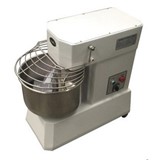
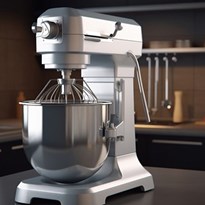
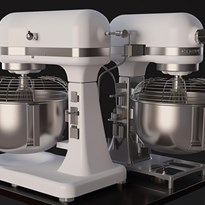
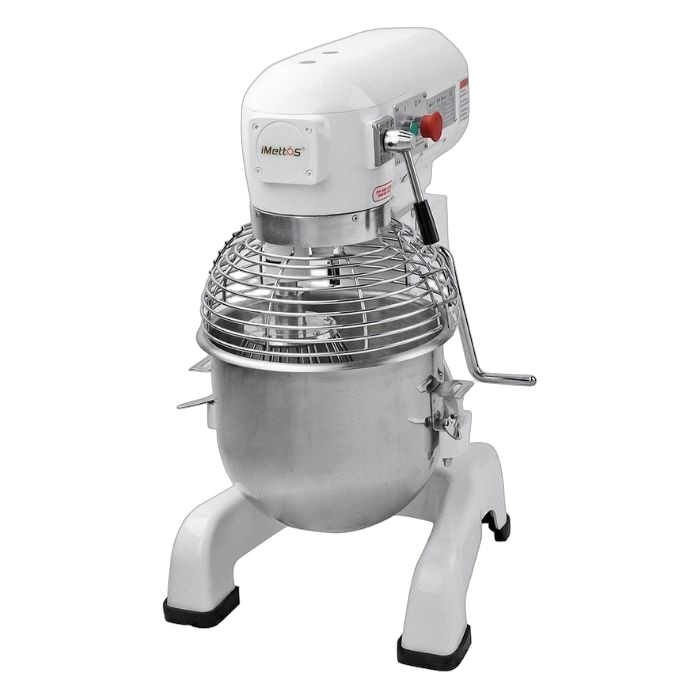
A spiral mixer uses a fixed spiral-shaped dough hook with a counter-rotating bowl to develop gluten efficiently with minimal heat generation — the specialist choice for bakeries where bread or pizza dough is the dominant product. A planetary mixer uses interchangeable attachments (hook, beater, whisk) that orbit a fixed bowl — the multi-purpose choice for kitchens mixing batters, creams, icings and occasional small-batch doughs across the same shift.
The comparison matters because the wrong choice costs more than just the machine — it costs you in product quality, batch consistency and wasted labour time. This guide resolves the decision for Australian bakeries, restaurants and food production operations. Compare planetary mixers and spiral mixers from verified Australian suppliers on HospitalityHub to benchmark pricing alongside this guide.
This comparison is relevant across:
- Bakeries deciding between their first or second major mixer purchase
- Pizza operations scaling from hand mixing to commercial production
- Patisseries and catering kitchens balancing dough and non-dough output
- Food manufacturers standardising mixing equipment across product lines
Start with your dominant product
Before evaluating cost or specs, confirm what the mixer will spend most of its hours mixing. The dominant product resolves this comparison faster than any other factor.
Product Type | Spiral Mixer | Planetary Mixer |
|---|---|---|
Bread dough (sourdough, white, wholemeal) |
Purpose-built — low heat, efficient gluten development |
Handles small batches; overheats on large/dense loads |
Pizza dough |
Preferred — consistent hydration with controlled temperature |
Suitable for low-volume pizza operations only |
Cake batter and sponge |
Not suitable — no whisk attachment, no aeration |
Purpose-built — whisk and beater produce consistent aeration |
Meringue, cream, ganache |
Cannot produce these products |
Purpose-built — whisk attachment at variable speed |
Pastry dough (short, puff, croissant) |
Over-develops gluten on delicate pastry |
Flat beater at low speed provides controlled mixing |
If bread or pizza dough accounts for more than 60% of your mixing hours — the spiral mixer is the correct first purchase. It develops gluten faster, generates less heat and handles larger batch sizes than a planetary mixer at equivalent bowl volume.
If your production splits across dough, batter, cream and fillings — the planetary mixer is the correct first purchase. Its interchangeable attachments cover more product types from a single machine, reducing capital outlay and floor space requirements.
Compare the key performance specifications
With your dominant product confirmed, these specifications determine which mixer delivers the right capability for your batch profile and kitchen layout.
Specification | Spiral Mixer | Planetary Mixer |
|---|---|---|
Bowl capacity (common AU range) |
20L – 300L+ |
10L – 140L |
Dough heat rise per batch |
2–4°C typical |
4–8°C on dense dough |
Mixing time (bread dough) |
8–12 minutes |
12–18 minutes for equivalent development |
Attachment options |
Spiral hook only (fixed) |
Dough hook, flat beater, whisk |
Speed control |
2-speed (slow/fast) standard |
3-speed to variable (VFD) — more control for delicate products |
Footprint |
Larger at equivalent bowl volume |
More compact at equivalent bowl volume |
Compare the full cost (2026 prices)
Purchase price is only part of the picture — the two mixer types have different maintenance profiles and lifespan expectations that affect total cost of ownership.
Cost Factor | Spiral Mixer | Planetary Mixer |
|---|---|---|
New — small (20–30L) |
$3,500 – $8,000 |
$1,200 – $6,000 |
New — mid (40–60L) |
$8,000 – $18,000 |
$6,000 – $18,000 |
New — large (80–140L) |
$15,000 – $30,000+ |
$15,000 – $35,000+ |
Annual maintenance |
$400 – $1,500 |
$300 – $2,000 |
Expected lifespan |
15 – 25 years |
10 – 20 years |
Key wear item |
Spiral hook ($200–$600) |
Attachment set ($150–$800) |
At equivalent bowl size, spiral mixers and planetary mixers sit in similar price brackets. The cost difference plays out over the ownership period — spirals last longer under heavy dough use, but planetaries avoid the need for a second machine when you also need to whip, beat and blend. For a bakery in Brisbane running 80% bread dough, a $12,000 spiral mixer will outlast a $12,000 planetary by 5–10 years on the same task. Request quotes from mixer suppliers on HospitalityHub to compare models across both categories.
Decision framework — spiral vs planetary
Your Situation | Choose Spiral | Choose Planetary |
|---|---|---|
Dominant product |
Bread, pizza or heavy yeasted dough >60% of mixing time |
Mixed output — dough, batter, cream, icing, fillings |
Batch size |
Medium to large (20–200+ kg dough) |
Small to medium (1–50 kg mixed products) |
Dough temperature control |
Tight DDT control needed (artisan sourdough, ciabatta) |
Temperature control less critical for your product range |
Floor space |
Adequate space for a larger footprint machine |
Tight kitchen — need the most compact option at a given bowl size |
Budget for second machine |
Can add a planetary later for non-dough work |
One machine must cover all product types for now |
Expected lifespan priority |
15–25 years on heavy daily dough production |
10–20 years across mixed-use applications |
Evaluate suppliers
You are ready to go to market. Use this checklist to assess each supplier against the same criteria.
Factor | What to Ask |
|---|---|
Dough capacity rating |
What is the maximum dough weight the motor can handle continuously at the heaviest hydration you mix? |
Heat generation data |
What is the typical dough temperature rise per batch on this model? |
Attachments included |
For planetaries — are all three attachments (hook, beater, whisk) included? |
Safety compliance |
Bowl guard interlock, emergency stop, RCM certification for Australian electrical standards? |
Power supply |
Single-phase or three-phase? Confirm your kitchen supply matches before ordering. |
Warranty |
Coverage on motor, gearbox and electronics? Duration? |
Parts and service |
Local service technician and spare parts availability in your state? |
Demonstration |
Can you trial the mixer on your specific product before committing? |
Brand reputation |
How many units of this model are operating in Australian bakeries? Can you provide references? |
Finance |
Equipment finance, rental or lease available for models above $5,000? |
Frequently asked questions
Can a planetary mixer handle bread dough AS well AS a spiral?
For small batches (under 15 kg), a planetary mixer handles bread dough adequately. Above that, the spiral mixer develops gluten faster, generates less heat and puts less strain on the motor — resulting in better dough consistency and longer machine life.
If i can only buy one mixer, which should it be?
If dough is more than 60% of your mixing output, buy the spiral first and add a small planetary later. If your output splits across dough, batter, cream and fillings, the planetary covers more ground from a single machine.
Why does dough temperature matter in this comparison?
Spiral mixers generate 2–4°C of heat per batch; planetaries generate 4–8°C on dense dough. For artisan sourdough or ciabatta where final dough temperature (DDT) needs to be within 1–2°C of target, the spiral gives significantly more control.
How do the maintenance costs compare over 10 years?
Spiral mixers have slightly lower annual maintenance on heavy-duty dough work because the single fixed hook mechanism is simpler than the planetary gear system. Over 10 years, expect $4,000–$15,000 for a spiral versus $5,000–$18,000 for a planetary at equivalent utilisation.
Summary
- Spiral mixers are the specialist choice for bread and pizza dough — lower heat, faster gluten development, longer lifespan on heavy loads
- Planetary mixers are the multi-purpose choice — interchangeable attachments cover dough, batter, cream and fillings from one machine
- Purchase prices overlap at equivalent bowl sizes; the cost difference plays out in lifespan and maintenance
- If dough is >60% of output, spiral first; if mixed products, planetary first
- Dough temperature control (DDT) is the decisive performance spec for artisan bakers
- Trial the mixer on your actual product before committing — mixing behaviour varies between brands and models
Ready to compare mixers?
Don’t waste time contacting suppliers individually. HospitalityHub gives you direct access to verified Australian mixer suppliers — compare planetary and spiral models, specs and pricing in one place, then request quotes from suppliers best matched to your operation.
- Compare models — filter by type, capacity and region
- Request quotes — contact multiple verified suppliers with a single enquiry
- Contact suppliers directly — speak to specialists who service your state
→ Compare Mixers on HospitalityHub Now →