
Key takeaways
Factor | Typical Range / Value | Buyer Implication |
|---|---|---|
New price (AUD 2026) |
$1,200 – $35,000+ |
Bowl size and transmission type set the price bracket |
Bowl size range |
10L – 140L |
Size to 60–70% of bowl capacity for heavy doughs; 80% for batters and creams |
Annual maintenance |
$300 – $2,000 |
Gear-driven units need regular oil changes; belt-driven units have lower ongoing costs |
Attachment cost (replacement set) |
$150 – $800 |
Dough hook, flat beater and whisk — confirm all three are included in purchase price |
Expected lifespan |
10 – 20 years |
Quality gear-driven models outlast belt-driven by 5–10 years in heavy-use environments |
ROI trigger |
4+ batches per day |
Below this volume, hand mixing or a domestic-grade mixer may still be viable |
What drives planetary mixer pricing in Australia
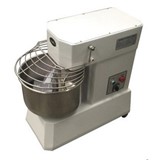
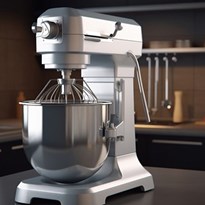
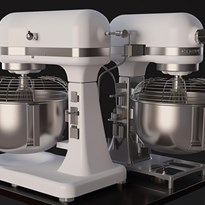
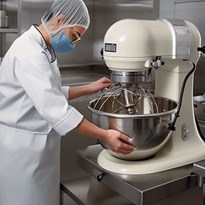
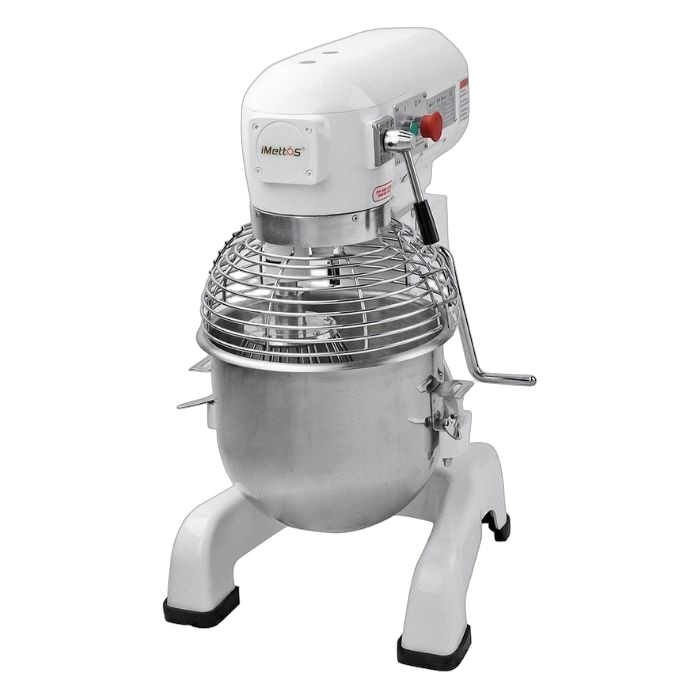
A commercial planetary mixer uses a fixed bowl with a rotating agitator that orbits the bowl’s interior — the same motion as a planet around a sun — to mix, whip and knead. Australian bakeries, restaurants, pizza shops and food production facilities rely on them as the default multi-purpose mixing platform. With labour costs rising across hospitality in NSW, VIC and QLD, operations are investing in larger or more automated models to increase batch output per operator hour.
This guide breaks down every cost layer from purchase price through to five-year TCO, so you can build a complete cost model for internal approval or finance application. Compare commercial planetary mixer pricing from verified Australian suppliers on HospitalityHub to benchmark quotes against these figures.
Operations where planetary mixer pricing is most relevant:
- Artisan and wholesale bakeries producing bread, cakes, pastries and fillings
- Pizza restaurants and chains mixing dough in-house
- Patisseries and catering kitchens handling meringues, creams and ganache
- Food manufacturers producing sauces, dips and pre-mixed products at scale
Choose your size bracket
Before costing anything, confirm which bowl size suits your batch requirements. Your choice here sets your price bracket and most of the specs that follow.
Bowl Size | Price Range (AUD) | Best For |
|---|---|---|
10–20L (benchtop) |
$1,200 – $4,000 |
Small cafes, patisseries, low-volume pizza shops |
30–40L (floor-standing) |
$4,000 – $12,000 |
Mid-size bakeries, restaurant kitchens, catering operations |
60–80L (heavy-duty) |
$10,000 – $25,000 |
Wholesale bakeries, high-volume pizza production, food manufacturing |
100–140L (industrial) |
$20,000 – $35,000+ |
Large-scale food production, industrial bakeries |
If your largest batch is under 15 kg of dough — a 20L benchtop model at $1,200–$4,000 handles it. These suit cafes and patisseries running 4–8 batches per day across multiple product types.
If you are mixing 20–40 kg batches of bread dough daily — a 40–60L floor-standing model at $6,000–$15,000 is the standard choice for mid-size bakeries in Sydney or Melbourne. A gear-driven transmission handles heavy dough loads without overheating.
Evaluate the cost-driving specifications
With your size bracket confirmed, these specifications determine the price premium and ongoing cost profile of a given model.
Specification | Typical Range | Buyer Consideration |
|---|---|---|
Motor power |
0.5 – 4.0 kW |
Underpowered motors stall on heavy dough — match wattage to your densest product |
Transmission type |
Belt-driven or gear-driven |
Gear-driven costs more upfront but handles heavy loads and lasts longer; belt-driven suits lighter work |
Speed settings |
3-speed to variable (VFD) |
VFD gives precise control for artisan work; 3-speed covers most standard bakery tasks |
Bowl material |
Stainless steel (standard) |
Confirm food-grade stainless — required under FSANZ standards |
Safety features |
Bowl guard interlock, emergency stop, overload protection |
Guard interlock is a WHS requirement for commercial use — do not purchase a model without it |
Timer |
Manual or digital auto-stop |
Digital timer allows the operator to multitask — adds $200–$500 to the price |
Understand the full cost breakdown (2026 prices)
Purchase price is only part of the picture — most cost models that get rejected at approval stage have missed the running cost layer. Here is the full breakdown.
Category | Price Range (AUD) | Typical Configuration |
|---|---|---|
New — benchtop (10–20L) |
$1,200 – $4,000 |
Belt-driven, 3-speed, manual timer |
New — floor-standing (30–40L) |
$4,000 – $12,000 |
Gear-driven, 3-speed, bowl guard interlock |
New — heavy-duty (60–80L) |
$10,000 – $25,000 |
Gear-driven, VFD, digital timer, bowl trolley |
New — industrial (100–140L) |
$20,000 – $35,000+ |
Heavy-duty gear drive, auto bowl lift, programmable controls |
Used / refurbished |
$800 – $12,000 |
Check gearbox condition, bowl wear and guard interlock function |
Annual maintenance |
$300 – $2,000 |
Gear oil, belt replacement, bearing inspection |
Attachment replacement set |
$150 – $800 |
Dough hook, flat beater, whisk — replace every 3–5 years under heavy use |
Five-year TCO on a 40L gear-driven floor model sits at $7,000–$16,000 including purchase, maintenance and one attachment replacement. The ROI calculation works differently from warehouse equipment — measure it against batch output per hour. A 40L mixer producing 8–12 batches per day at an average gross margin of $15–$40 per batch generates $120–$480 per day of mixing output. At that rate, the mixer pays for itself within 2–6 weeks of commissioning. Request quotes from planetary mixer suppliers on HospitalityHub to compare pricing by bowl size and transmission type.
Plan the asset (depreciation and financing)
The ATO effective life for commercial kitchen mixing equipment is 10 years. Under diminishing value, the depreciation rate is 20%; prime cost is 10% per annum. The instant asset write-off threshold for 2025–26 is $20,000 — most benchtop and floor-standing models fall within this. Heavy-duty and industrial models above $20,000 depreciate over the standard effective life.
Quality gear-driven planetary mixers from established brands retain resale value well — expect 20–30% of purchase price at 8–10 years on a well-maintained unit. Equipment finance through hospitality-specialist lenders is common for models above $5,000.
Evaluate suppliers
You are ready to go to market. Use this checklist to assess each supplier against the same criteria.
Factor | What to Ask |
|---|---|
Dough capacity rating |
What is the maximum dough weight (not bowl volume) the motor and gearbox can handle continuously? |
Transmission type |
Gear-driven or belt-driven? What is the expected service interval for each? |
Included attachments |
Are dough hook, flat beater and whisk all included — or priced separately? |
Safety compliance |
Is the bowl guard interlock fitted as standard? Is the unit RCM certified for Australian electrical standards? |
Warranty coverage |
What is covered (motor, gearbox, bowl, electronics) and for how long? |
Parts availability |
Are gears, belts, bearings and attachments stocked in Australia? |
Service network |
Local service technicians in your city? What is the standard repair turnaround? |
Power requirements |
Single-phase or three-phase? Confirm your kitchen has the correct supply before purchase. |
Delivery and installation |
Is delivery included? Do floor-standing models require professional installation? |
Finance |
Equipment finance, rental or lease-to-own options available? |
Frequently asked questions
How much does a 60L planetary mixer cost in Australia?
A new 60L heavy-duty planetary mixer costs $10,000–$18,000 with gear-driven transmission, digital timer and bowl guard. Used units in good condition start from $5,000–$8,000.
At what production volume does a planetary mixer justify its cost over hand mixing?
At four or more batches per day, a commercial planetary mixer produces consistent results faster than hand mixing and frees the operator for other prep tasks. The labour time saving alone typically exceeds the daily cost of ownership.
What is the difference between gear-driven and belt-driven?
Gear-driven transmissions handle heavy dough loads without slipping and last 15–20 years. Belt-driven models cost 20–30% less but belts wear under heavy dough loads and need replacement every 1–3 years at $80–$200 per belt.
What ongoing costs should i include in my budget?
Annual maintenance ($300–$2,000), attachment replacement every 3–5 years ($150–$800), and electricity. For a 40L model running 8 hours daily, electricity adds roughly $200–$500 per year depending on your rate.
Can i claim a planetary mixer under the instant asset write-off?
For 2025–26, the threshold is $20,000 for eligible small businesses. Most benchtop and floor-standing models fall within this. Industrial models above $20,000 depreciate over the ATO’s 10-year effective life.
Summary
- Planetary mixers cost $1,200–$35,000+ new; bowl size and transmission type are the main price drivers
- Gear-driven models cost more upfront but last longer and handle heavy dough without stalling
- Five-year TCO on a 40L floor model is $7,000–$16,000 — payback typically within weeks of commissioning
- Always confirm maximum dough weight capacity, not just bowl volume
- Bowl guard interlock is a WHS requirement — do not purchase without it
- Confirm attachments, charger and delivery are included in the quoted price
Ready to source your planetary mixer?
Don’t waste time contacting suppliers individually. HospitalityHub gives you direct access to verified Australian commercial planetary mixer suppliers — compare models, specs and pricing in one place, then request quotes from suppliers best matched to your operation.
- Compare models — filter by capacity, configuration and region
- Request quotes — contact multiple verified suppliers with a single enquiry
- Contact suppliers directly — speak to specialists who service your state
→ Compare Planetary Mixers on HospitalityHub Now →