

Key Takeaways
- Purchase price: Robot waiters on HospitalityHub list between $10,000 and $30,000, averaging around $20,000 for a mid-range multi-tier unit.
- Lease option: Units lease from roughly $34 a day, about two hours of award wages, with support and maintenance usually bundled in.
- The running costs: Budget beyond the sticker for charging, cleaning, software and occasional parts, the total cost of ownership over the machine's life.
- Payback logic: A robot pays off fastest where it offsets repetitive running hours in a high-turnover venue, not where the floor is quiet.
- The decision: Compare the daily cost of the robot against the labour hours it actually frees, then choose buy or lease to suit your cash position.
The first question every operator asks about a service robot is simple: what does it cost, and when does it pay for itself? The honest answer is that the sticker price is only half the story. This guide breaks down what you pay upfront, what you keep paying, and how to work out whether the numbers stack up for your venue, using current Australian pricing rather than overseas headline figures.
What you pay upfront
Two models dominate, and they suit very different balance sheets:
- Outright purchase:Robot waiters list between $10,000 and $30,000, averaging around $20,000. A basic single-tier runner sits at the lower end; a multi-tier unit with advanced navigation and an interactive display sits higher.
- Lease or subscription: From roughly $34 a day, you unlock the hardware with support included. Leasing removes the capital hurdle and shifts the spend into predictable operating costs.
To put the lease figure in context, $34 a day is close to two hours of award wages on a floor where median full-time earnings run about $1,300 a week, per Jobs and Skills Australia. If the unit reliably saves more than two hours of running a day, the daily maths starts working in your favour.
The costs beyond the sticker
A robot is not a buy-once-and-forget purchase. Factor these in from day one rather than discovering them six months later:
- Charging: A small but constant power draw, plus the floor space for a charging dock.
- Cleaning and hygiene: Trays and the body need regular sanitising to meet food-safety standards, which is staff time.
- Software and support: Some suppliers bundle updates and support; others charge a fee. Confirm what is included before you sign.
- Parts and wear: Wheels, sensors and trays wear over time. Ask about warranty length and part availability in Australia.
| Cost model | Upfront | Ongoing | Best for |
|---|---|---|---|
| Buy outright | $10,000 to $30,000 | Maintenance, software, parts | Long-term, single-venue owners |
| Lease/subscribe | Low (from ~$34/day) | Fee usually bundles support | Trials, tight capital, scaling |
How to work out payback
Payback is not a fixed number a supplier can quote you, because it depends on your venue. The calculation is straightforward:
- Step one: Estimate the running hours the robot genuinely offsets per day, the repetitive plate-carrying, not the whole role.
- Step two: Multiply those hours by your loaded hourly wage rate to get daily labour value freed.
- Step three: Compare that against the robot's daily cost, the lease fee, or the purchase price spread across its expected life plus running costs.
If the daily labour value freed comfortably exceeds the daily cost, the unit pays for itself and then keeps saving. If it barely breaks even, your venue probably is not busy enough yet. This is the same discipline we apply in our cost versus value guide to laundry: total the hidden and indirect costs before deciding.
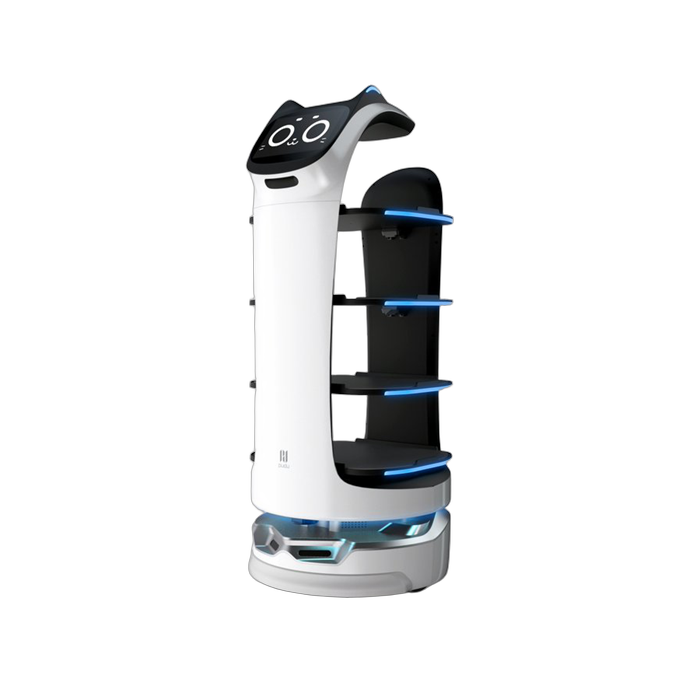
One factor that swings the maths is the size of the unit. A compact single-tier delivery and waiter robot costs less upfront and reaches payback faster in a smaller room, while a large multi-tier unit carries more per trip and suits a high-covers floor where the extra capacity is genuinely used. Buying more machine than your volume needs only pushes payback further out, so size the purchase to the running hours you actually have, not the busiest night you can imagine.
A worked example
Take a high-turnover buffet in Brisbane running seven services a week. Staff spend an estimated three hours a day just running plates from the pass across a large floor. At a loaded rate of about $35 an hour, that is roughly $105 of labour value a day tied up in walking.
A leased unit at around $34 a day covers a meaningful slice of that running for a fraction of the cost, and the freed hours go into clearing faster and turning tables. The robot does not eliminate a role, it changes what the team spends its shift doing. On these numbers the lease is comfortably cash-positive from week one; an outright $20,000 purchase would pay back over roughly a year and a half of steady trading before running costs, after which the saving is close to clear.
Frequently asked questions
How much does a robot waiter cost in Australia?
Between $10,000 and $30,000 to buy, averaging around $20,000, or from roughly $34 a day to lease. Price rises with tiers, payload and navigation sophistication.
Is it cheaper to buy or lease?
Over many years, buying can work out cheaper if the unit stays in service and you manage maintenance. Leasing costs more across the full period but removes the upfront hit and bundles support, which suits venues testing the idea.
How long until it pays for itself?
It depends entirely on volume. A busy venue that offsets several running hours a day can reach payback on a purchase inside a couple of years; a lease can be cash-positive almost immediately. A quiet venue may never reach it.
What ongoing costs should I expect?
Charging, cleaning time, software or support fees, and occasional parts. Confirm what the purchase or lease includes before committing.
What matters most
The price of a service robot is knowable; the payback is yours to calculate. Start with the running hours a unit genuinely frees in your venue, cost those against the daily price of the machine, and let that number, not the supplier's pitch, decide. Buy if you want to own it long term and can manage upkeep; lease if you want to test the idea or protect your capital. Either way, the venue's volume is what turns the spend into a saving.
Want to see real pricing for your venue? Compare quotes from robot waiter suppliers across Australia here.

