

Key takeaways
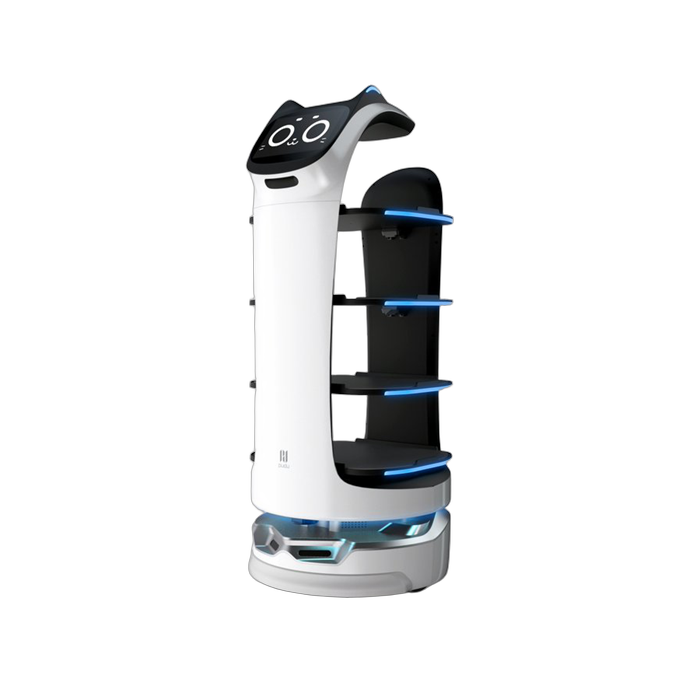
- What they are: Autonomous service robots that run plates from the pass to the table and clear dirties back, navigating your floor with LiDAR and depth cameras while staff handle the human side of service.
- What they cost: Robot waiters on HospitalityHub list between $10,000 and $30,000 to buy outright, or lease from roughly $34 a day, about two hours of award wages.
- The specs that matter: Tray payload, number of tiers, aisle clearance, battery run time, and navigation type decide whether a unit suits your venue.
- Where they fit: Wide-aisle, high-turnover venues with a long run from kitchen to tables: buffets, hot pot, clubs, large family restaurants and function floors. Tight fine-dining rooms are weak candidates.
- Why now: A tight labour market and thin margins have turned running robots from a gimmick into a practical way to protect service on a short-staffed floor.
A few years ago a robot waiter was a novelty that earned a photo and a paragraph in the local paper. In 2026 it is a line item that hospitality operators weigh seriously, especially venues fighting a long kitchen-to-table run with a roster they cannot reliably fill. If you run a busy club, buffet or large family restaurant and you have watched staff spend their shift walking plates instead of looking after guests, this guide covers the specs that matter, what the machines cost, and the venue conditions that decide whether one earns its keep.
Why Australian venues are looking at robots
The pressure is structural. Accommodation and food services runs on thin margins and a workforce that is hard to hold: median full-time earnings in the sector sit at about $1,300 a week, well below the all-industries median of $1,741, according to Jobs and Skills Australia. Low relative pay drives high turnover and constant recruitment, and waiting is the single largest occupation in the industry.
At the same time, demand keeps climbing. Australia's cafes and coffee shops alone are on track for $15.9 billion in revenue in 2025-26, per IBISWorld, and the restaurants industry adds another $26.2 billion. More covers with fewer hands is exactly the squeeze a service robot is built to ease. It does not replace your floor team: it takes the repetitive running so staff can focus on guests, upselling, and the parts of service a machine cannot do.
The specs that actually matter
Supplier sheets lead with personality and lights. These are the numbers to compare when you request quotes:
- Tray payload: How much a unit carries per run, often around 10 kg per tray. Match it to your typical plate load, not a single dish.
- Tiers and tray layout: Multi-tier trays let one trip serve several tables. More tiers means more covers per run but a taller, harder-to-load machine.
- Footprint and aisle clearance: Measure your narrowest gap between chairs at full house, not the empty-floor width. A unit that cannot pass a pulled-out chair will stall mid-service.
- Battery run time: A charge should cover your busiest service with margin. Many units run a full shift, but constant trips and inclines shorten real run time.
- Navigation: LiDAR, depth cameras and mapping give the robot a live read of the room so it stops safely for people. This is the difference between a smooth runner and a floor hazard.
| Spec | Why it matters | What to ask the supplier |
|---|---|---|
| Tray payload | Sets plates per run | Payload per tray in kg |
| Tiers | Covers per trip | Number of trays and clearance between them |
| Aisle clearance | Whether it fits your floor | Minimum passable width at full house |
| Run time | Shift coverage | Hours per charge under load |
| Navigation | Safety around guests | Sensor type and obstacle response |
What they cost
Pricing splits into two models, and the right one depends on your cash position and how you want to account for the spend:
- Outright purchase:Robot waiters on HospitalityHub list between $10,000 and $30,000, averaging around $20,000. You own the asset but carry maintenance and software costs.
- Lease or subscription: Units can be leased from roughly $34 a day, about two hours of award wages, bundling support and reducing the upfront barrier. This often falls under operating costs rather than a capital request, which can be easier to approve.
Whichever route you pick, budget for total cost of ownership: charging, cleaning, software updates and the occasional part. For a full breakdown of purchase price against payback, see our companion cost versus value guide on weighing in-house spend against a service model.
Will a robot actually fit your venue?
This is where most disappointments start. A machine built for a wide buffet floor will jam in a tight bistro. Walk your room at full house against these questions first:
- Floor layout: Wide, straight aisles suit robots. Tight, winding paths between closely packed tables force manual intervention.
- Kitchen-to-table distance: The longer the run, the more a robot saves. Short hops from a small open kitchen rarely justify one.
- Turnover and volume: High-covers venues get the most value. A quiet room with a few tables will not keep a unit busy enough to pay off.
- Surface and thresholds: Flat, hard floors are ideal. Steps, ramps and thick carpet can stop a unit or drain its battery.
A realistic scenario
Picture a 220-seat club bistro in Western Sydney with a kitchen at one end and a long dining floor. On Friday and Saturday nights, two of the four floor staff spend most of their shift just carrying plates the length of the room, and the roster keeps coming up one short.
A three-tier robot runs mains from the pass to a numbered table while staff plate, greet and clear. Guests notice faster food and staff who are actually present. The unit does not cut the crew, it absorbs the walking that was eating their shift, and on a lease the cost lands close to the wages of the shift it frees up. If your venue sits at the smaller or tighter end, weigh a robot against simply adjusting your floor plan before committing, and consider a compact delivery and waiter robot rather than a full-size unit.
Frequently asked questions
Do robot waiters take orders?
Most do not. They run food and clear tables along mapped routes. Staff still take orders, load the trays and tell the unit where to go, so the personal side of service stays human.
How much can one carry?
Trays commonly hold around 10 kg each, and multi-tier units carry several at once. Size the payload against your typical plate load and how many tables you want served per run.
Are they safe around guests?
Commercial units use LiDAR and depth cameras to map the room and stop for people and obstacles. Give them clear aisles and they run predictably through a full house.
Should I buy or lease?
Buying suits operators who want to own the asset long term. Leasing suits venues testing the idea, managing tight capital, or preferring a predictable operating cost with support bundled in.
What matters most
A robot waiter is a floor decision, not a novelty purchase. The units that pay for themselves are matched to the venue: wide aisles, a long kitchen-to-table run, high turnover, and enough repetitive carrying to justify the machine. Get the specs and fit right first, then choose the cost model that suits your cash position. Get the fit wrong and even the smartest unit gathers dust in a corner.
Ready to compare specs and pricing on service robots? Get quotes from robot waiter suppliers across Australia here.

