
Key takeaways
- The deadline that drives it: To claim a deduction in this financial year, equipment must be installed and ready to use by 30 June, not merely ordered or paid for.
- Why timing bites: Commercial kitchen gear often needs delivery, gas or electrical connection and commissioning, so a late-June order can miss the cut-off.
- The demand crunch: Suppliers and installers are busiest in Q2, so lead times stretch exactly when you need them shortest.
- The write-off angle: The instant asset write-off lets eligible small businesses claim assets under the threshold upfront, but only once the asset is operational.
- The takeaway: Order early, confirm installation dates in writing, and do not let a tax deadline push you into the wrong machine.
Every year the same pattern plays out in Australian hospitality: a rush of equipment orders in May and June as operators chase an end-of-financial-year tax benefit, followed by a scramble when installers cannot fit everyone in before 30 June. If you are planning to buy a combi oven, dishwasher or refrigeration unit around EOFY 2026, the timing matters as much as the purchase itself. This guide explains how the deadline works, why commercial kitchen equipment is especially exposed to it, and how to plan so the tax benefit actually lands.
Why EOFY drives equipment buying
The pull is tax. The instant asset write-off, per the Australian Taxation Office, lets eligible small businesses with aggregated turnover under $10 million claim the full cost of an eligible asset upfront in the year it is first used or installed ready for use, rather than depreciating it over several years. That upfront deduction is a strong incentive to buy before 30 June, and it shows in the data: financed equipment purchases rise noticeably in the lead-up to EOFY, with one analysis of ABS figures citing a 19% jump in the run to the deadline, driven largely by tax-time strategy.
The critical detail that trips people up is the phrase "installed ready for use". It is not enough to sign a finance agreement or pay a deposit before 30 June. The asset must be delivered, connected and operational, with documentation to prove it. For a laptop that is trivial. For a gas combi oven that needs a certified connection, it is anything but.
Why commercial kitchen gear is especially exposed
Kitchen equipment sits at the difficult end of the "ready to use" test because so much of it needs more than delivery to become operational:
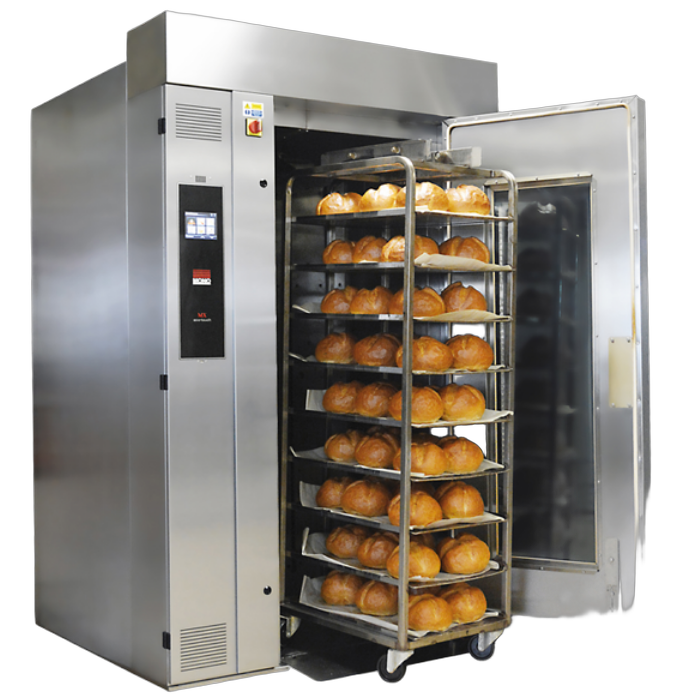
- Combi and convection ovens: Gas models need a certified gas connection and, for gas units, compliance sign-off. A commercial combi oven or convection oven is not "ready to use" until that connection is done.
- Dishwashers: A commercial dishwasher needs plumbing, drainage and often a three-phase electrical connection before it can run a cycle.
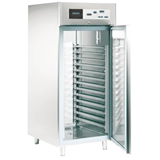
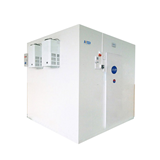
- Refrigeration: Cool rooms and larger units may need on-site build or commissioning, adding days or weeks after delivery.
- Ventilation and compliance: Some installs require exhaust canopy work or council and safety sign-off, none of which happens overnight.
Every one of these steps depends on a third party, a plumber, a gas fitter, an electrician or a refrigeration mechanic, and those trades are booked solid in June. A machine sitting in your storeroom uninstalled on 30 June does not meet the test.
The timing squeeze, quarter by quarter
| When you order | Typical outcome | Risk to the deduction |
|---|---|---|
| April to early May | Comfortable lead time for delivery and install | Low |
| Mid-to-late May | Achievable but tightening | Moderate, confirm install date |
| June | Installer availability scarce | High, may miss 30 June |
| Late June | Delivery possible, install unlikely in time | Very high |
The lesson is simple: the deduction is won or lost on the install date, not the order date. Leaving the purchase to June puts the benefit at the mercy of a trade calendar you do not control.
A realistic scenario
Picture a Brisbane cafe owner who decides in early June to buy a gas combi oven and claim it this financial year. The oven is in stock and delivered within a week, but the gas fitter cannot attend until mid-July. The oven sits in the kitchen, paid for, but not "installed ready for use" by 30 June, so the deduction rolls into the next financial year.
Had the owner ordered in April and locked in the gas connection date at the time of purchase, the same oven would have been operational well before the deadline and the deduction secured. The equipment choice was right; the timing let it down. For a sense of the price and lead-time considerations on this category specifically, our commercial combi oven prices and buying guide walks through what to confirm before you commit.
Frequently asked questions
Does paying before 30 June secure the deduction?
No. Payment or a signed finance agreement is not enough. The asset must be installed and ready to use by 30 June, with documentation showing it is operational. Confirm this with your accountant for your circumstances.
Can I claim the write-off if I finance the equipment?
Generally yes. Chattel mortgages and hire purchase agreements typically still allow eligible businesses to claim the asset upfront, provided it is installed and ready for use by the deadline. Operating leases and rentals usually do not, because you do not own the asset.
When should I order to be safe?
Aim to order by April or early May so delivery and installation, including any gas, electrical or refrigeration work, can be completed with margin before 30 June. The later you leave it, the more the trade calendar controls the outcome.
Should the tax benefit drive the purchase?
Let it inform timing, not the machine. Buying the wrong-sized oven to hit a deadline costs more over its life than the deduction saves. Choose the right equipment first, then plan the timing around it.
What matters most
EOFY can genuinely improve the economics of a kitchen equipment purchase, but only if the machine is operational by 30 June, and commercial kitchen gear rarely installs itself overnight. Order early, get the installation date in writing at the point of purchase, and keep documentation proving the asset was ready to use. Above all, do not let a tax deadline push you into the wrong machine. Get the equipment right, then let the timing work for you rather than against you.
Planning a kitchen upgrade before the deadline? Compare quotes from commercial kitchen equipment suppliers across Australia here.