
Key Takeaways
- Understand your seasonal cash flow cycles: Knowing when revenue peaks and dips allows you to schedule capital upgrades without straining working capital.
- Prioritise upgrades strategically: Focus on high-impact equipment or renovations that will improve efficiency, reduce costs, or increase revenue.
- Leverage flexible financing options: Equipment leasing, staged payments, or supplier financing can align expenditures with cash flow peaks.
- Forecast and model scenarios: Use historical sales data and budget forecasts to plan upgrades without jeopardising operational liquidity.
- Coordinate with suppliers and contractors: Early engagement ensures projects happen in low-demand periods, reducing disruption and cost.
Introduction: Capital upgrades in a seasonal business landscape
For hospitality operators in Australia, capital upgrades, whether it’s kitchen equipment, refrigeration, or venue renovations, are critical for maintaining operational efficiency and competitive advantage. But planning these investments can be tricky when revenue fluctuates seasonally. Peak periods bring high cash inflows, but off-peak seasons can create tight working capital.
Understanding seasonal cash flow patterns and aligning your capital expenditure accordingly ensures that upgrades don’t disrupt operations, harm margins, or create unnecessary financial stress. This guide provides actionable strategies for planning upgrades around your seasonal cycles.
Map your seasonal revenue and expenditure
The first step in effective capital planning is understanding your cash flow dynamics:
- Analyse historical revenue: Identify months with peak bookings, high foot traffic, or seasonal events. Australian cafés, restaurants, and pubs often see peaks around holidays, summer, and local festivals.
- Review expense patterns: Account for seasonal spikes in inventory, utilities, and staffing costs. Knowing these will prevent overcommitting capital during lean periods.
- Create a cash flow calendar: Visualise inflows and outflows across the year to spot optimal windows for capital upgrades.
Example: A Queensland café chain mapped sales data over five years and discovered that May–July were low-revenue months, making it ideal for kitchen equipment installation without interrupting service.
Prioritise upgrades with highest ROI
Not all capital projects deliver equal value. Focus on upgrades that improve efficiency or revenue generation:
- High-impact equipment: Invest in appliances that reduce labour costs, energy consumption, or food wastage.
- Revenue-enhancing renovations: Upgrades like outdoor seating, improved lighting, or kitchen redesigns can increase covers or service speed.
- Compliance-driven upgrades: Ensure equipment meets Australian food safety or workplace safety standards (Safe Work Australia). Delaying compliance upgrades can risk fines or operational disruption.
Scenario: A Melbourne restaurant replaced outdated ovens in winter, improving cooking speed by 25%, reducing electricity costs, and increasing covers during the peak summer season.
Leverage flexible financing to smooth cash flow
Cash flow limitations shouldn’t block essential upgrades. Consider these options:
- Equipment leasing: Spread payments over months or years, aligning with your revenue cycles.
- Supplier or vendor financing: Some suppliers offer deferred payment plans or staged deliveries.
- Short-term business loans or lines of credit: Use only to bridge periods when capital outflows exceed inflows.
Tip: Match payment schedules to high-revenue months to reduce strain on working capital and avoid over-reliance on short-term borrowing.
Use forecasting and scenario modelling
Effective planning requires clear visibility into potential outcomes:
- Scenario modelling: Assess how various upgrade timings, costs, and financing options affect monthly cash flow.
- Sensitivity analysis: Model best-case, worst-case, and expected outcomes to prevent surprises.
- Budget contingency: Set aside 10–15% of projected upgrade costs to cover unexpected expenses, such as delayed deliveries or installation overruns.
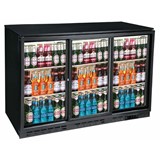
Example: A Sydney bar modelled three scenarios for a new refrigeration system: upfront purchase, staged lease, and deferred supplier payment. The staged lease aligned best with post-Christmas peak revenue, avoiding cash shortfalls.
Coordinate with suppliers and contractors strategically
Timing your project around both your business and supplier schedules can save money and reduce operational disruption:
- Book early: Contractors and equipment suppliers may charge premium rates for busy periods. Off-peak bookings are cheaper and more flexible.
- Communicate lead times: Ensure that delivery and installation windows fit with quieter periods.
- Stage larger projects: Break renovations or major equipment installation into phases to avoid complete downtime.
Scenario: A Brisbane restaurant scheduled kitchen refurbishment during a two-week off-peak period. By coordinating with contractors, they avoided service disruption and negotiated a 7% off-season discount.
Monitor and adjust your plan throughout the year
Seasonal cash flow is dynamic; plans should be flexible:
- Monthly review: Track actual inflows and outflows against projections. Adjust upgrade timing or scope if necessary.
- Update forecasts regularly: Factor in new promotions, menu changes, or economic shifts.
- Learn and improve: Document lessons from each upgrade cycle to optimise planning for the following year.
Practical tip: Keep a simple dashboard of peak revenue months, upgrade plans, and financing schedules to visualise timing and impact on cash flow.
Conclusion
Planning capital upgrades around seasonal cash flow is both an art and a science. By mapping revenue cycles, prioritising high-ROI projects, leveraging flexible financing, forecasting scenarios, and coordinating with suppliers, hospitality operators can make necessary investments without jeopardising liquidity. A structured, data-driven approach ensures that upgrades deliver long-term benefits while keeping your business financially resilient throughout the year.

-160x160-state_article-rel-cat.png)

-160x160-state_article-rel-cat.png)