
Key takeaways
- What it does: A dough divider portions bulk dough into equal-weight pieces in seconds, replacing slow, inconsistent hand-scaling and cutting labour on every batch.
- The main types: Manual, hydraulic (stress-free), volumetric and divider-rounders, each suited to a different dough type and output level.
- The specs that matter: Portion weight range, pieces per cycle, dough hydration compatibility, and phase (single or three).
- Compliance: Food-contact surfaces must meet the Food Standards Code Standard 3.2.3 and AS 4674, meaning stainless, cleanable and free of contamination traps.
- Price range: Commercial dough dividers run roughly $2,500 to $35,000 or more in Australia in 2026, depending on type and automation.
If your bakery is still hand-scaling dough, you already know the cost: uneven piece weights, inconsistent bakes and staff tied up on a repetitive task that a machine does faster and more accurately. A dough divider is one of the highest-return pieces of equipment a growing bakery can buy, but choosing the wrong type or specification is an expensive mistake. This guide walks through the types, the specs that decide the fit, the compliance requirements you cannot skip, and how to evaluate suppliers before you commit.
Why dividers earn their place in an Australian bakery
The demand is there. Australia's bakery product manufacturing industry has been growing at around 3.0% a year between 2021 and 2026, according to IBISWorld, with consumers increasingly favouring fresh, unpackaged sourdough, ciabatta and artisan breads over factory-produced loaves. That shift rewards bakeries that can scale consistent output without adding proportional labour.
A divider is exactly that lever. Hand-scaling a batch of dinner rolls is slow and never perfectly even; a divider portions the same batch in seconds with consistent weights, so every piece bakes at the same rate. The result is less waste, tighter food-cost control and staff freed for shaping, finishing and the skilled work a machine cannot do. For most bakeries, the labour saved pays the machine back well inside a year.
The main types of dough divider
Choosing the right type is the single most important decision, because each handles dough differently:
- Manual dividers: A pressing lever cuts a block into equal portions (commonly 20 or 30). Low cost and no power needed, ideal for smaller bakeries and softer doughs, but slower and more physical.
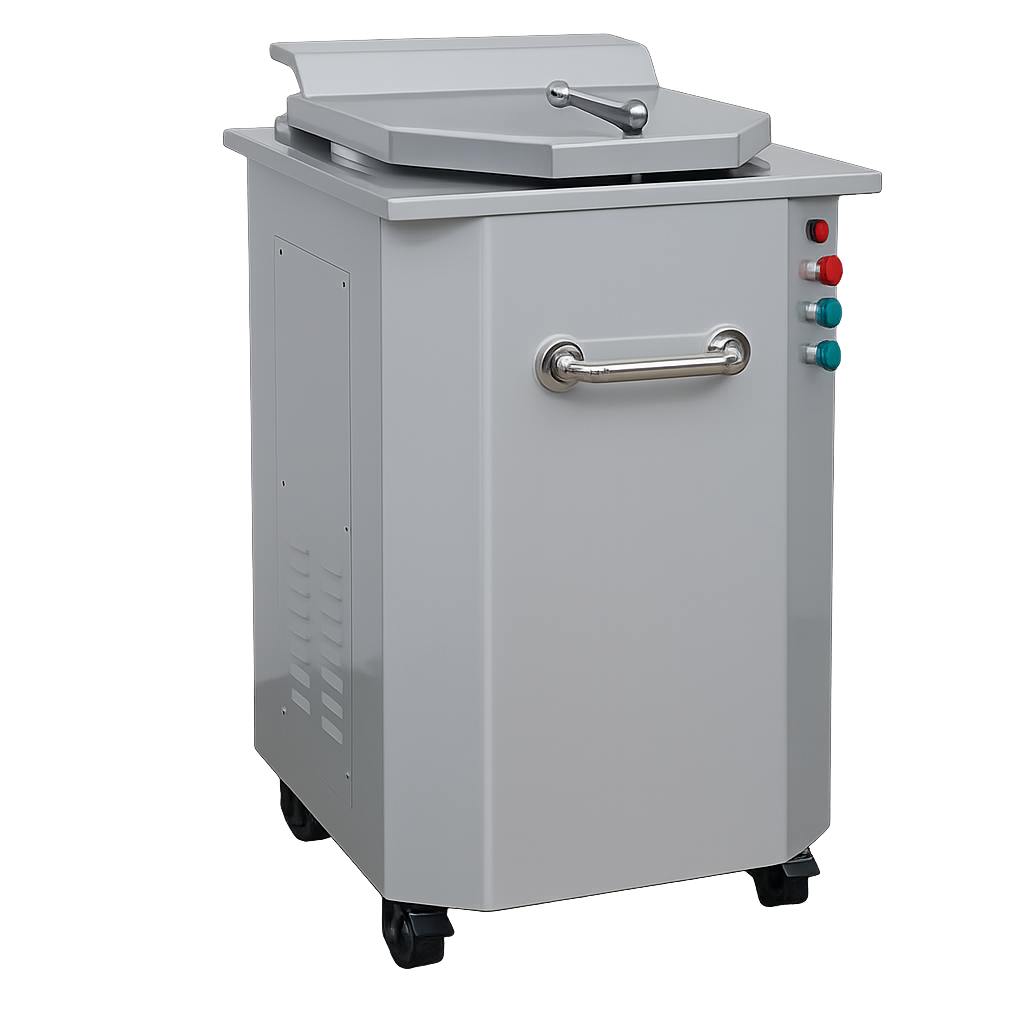
- Hydraulic (stress-free) dividers: Hydraulic pressure divides dough gently to protect the gluten structure, which matters for high-hydration artisan doughs. Higher output and accuracy, at a higher price.
- Volumetric dividers: These portion by volume rather than pressing a fixed grid, feeding dough continuously for high-speed production of buns and rolls. Best for larger, repetitive runs.
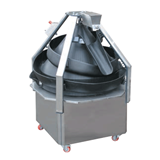
- Divider-rounders: Combine dividing with automatic rounding into balls, ideal for buns and rolls where the next step is shaping. See the range of dough rounders and divider-rounders for combined units.
Match the type to your dominant product. A sourdough bakery running high-hydration dough needs a stress-free hydraulic unit; a roll-focused operation churning out thousands of even pieces is better served by a volumetric divider or a divider-rounder.
The specs that decide the fit
Once you have the type, these are the numbers to compare on every quote:
- Portion weight range: Confirm the machine covers your smallest and largest piece weights. A unit built for 40 g rolls may not handle a 900 g loaf, and vice versa.
- Pieces per cycle: How many portions per press or pass (often 20 or 30 for grid dividers). This sets your throughput against your production window.
- Dough hydration compatibility: High-hydration and wet doughs need gentle, stress-free handling. Confirm the machine suits your recipes, not just a standard dough.
- Electrical phase: Larger automatic units often need three-phase power. Check your bakery's supply before ordering, or you will face a costly electrical upgrade.
- Footprint and loading height: Benchtop versus floor-standing changes both your bench space and how staff load the hopper.
| Type | Best for | Relative output | Indicative price |
|---|---|---|---|
| Manual | Small bakeries, soft dough | Lower | Entry level |
| Hydraulic (stress-free) | Artisan, high-hydration dough | Medium to high | Mid to high |
| Volumetric | High-volume buns and rolls | High | High |
| Divider-rounder | Rolls needing rounding | High | High |
Compliance you cannot skip
A dough divider is food-contact equipment, so it sits squarely under Australian food-safety rules. The Food Standards Australia New Zealand Code, Standard 3.2.3 requires that equipment and fittings be made from materials that prevent food contamination and allow easy cleaning and sanitising. AS 4674, the standard for design, construction and fit-out of food premises, sets the same expectation for surfaces and joints.
In practice, that means specifying:
- Food-grade stainless steel: Contact surfaces should be stainless (typically grade 304), non-toxic, durable and easily cleaned.
- No contamination traps: Smooth, continuous surfaces with no open crevices or joints where dough and bacteria can lodge.
- Cleanable design: Parts that come apart or wipe down easily, so cleaning fits into a documented schedule.
- Local sign-off: Enforcement sits with state and territory authorities and local council environmental health officers, so confirm requirements for your jurisdiction before you install.
Getting this right at the specification stage avoids an environmental health officer flagging the machine later and forcing a costly change.
How to evaluate a supplier
The machine matters, but so does who stands behind it. Before you buy, weigh suppliers on:
- Parts and service in Australia: A divider is useless waiting weeks for an imported part. Confirm local parts stock and service coverage in your state.
- Warranty terms: Check length and what it covers, particularly the blades, seals and hydraulic components that wear.
- Dough trial: Ask to trial the machine with your own dough before purchase. Portioning accuracy varies between brands, especially on wetter recipes.
- Verified supplier status: Buying through a marketplace lets you compare multiple verified suppliers with a single enquiry rather than chasing each one individually.
A realistic scenario
Picture a growing artisan bakery in Melbourne moving from hand-scaling to its first divider. The owner is tempted by a low-cost manual grid unit, but the bakery runs high-hydration sourdough, and a pressing grid would tear the delicate dough structure and compromise the crumb.
The right choice is a stress-free hydraulic divider that handles wet dough gently, even though it costs more. After a dough trial confirms clean, accurate portioning on the bakery's own recipe, and a check that the supplier stocks blades and seals locally, the owner commits. The machine cuts scaling time dramatically and lifts consistency across every bake. The lesson is that dough type, not price, should lead the decision. To weigh a divider against rolling equipment if lamination is also on your production line, our dough divider versus dough sheeter guide sets out where each machine earns its place.
Frequently asked questions
What is the difference between a dough divider and a divider-rounder?
A divider only portions bulk dough into equal weights. A divider-rounder goes a step further, using an oscillating plate to roll those portions into neat balls, which suits buns and rolls headed for shaping.
Can a divider handle high-hydration sourdough?
Yes, but the type matters. Stress-free hydraulic dividers handle wet, delicate doughs gently and protect the gluten structure. A basic pressing grid can tear high-hydration dough, so trial your own recipe first.
What does a commercial dough divider cost in Australia?
Roughly $2,500 to $35,000 or more in 2026, depending on type and automation. Manual units sit at the lower end; automatic volumetric and divider-rounder machines at the top.
What compliance rules apply?
Food Standards Code Standard 3.2.3 and AS 4674 require food-contact surfaces to be food-grade, cleanable and free of contamination traps. Confirm requirements with your local council environmental health officer before installing.
What matters most
A dough divider is a production decision, not a commodity purchase. Lead with your dominant dough type to pick the right machine class, then confirm the portion range, throughput and phase against your line. Do not skip the compliance check, since food-contact surfaces must meet Standard 3.2.3 and AS 4674, and weigh suppliers on local parts, warranty and a dough trial before you commit. Get the type and fit right and the divider pays for itself in labour and consistency inside a year; get it wrong and even a capable machine underperforms on your bench.
Ready to compare portioning specs and pricing? Get quotes from commercial dough divider suppliers across Australia here.