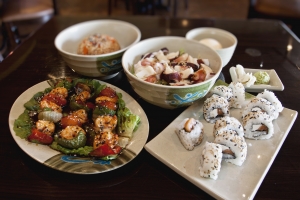
In one study, it was found that almost 50 per cent of these reactions happened as a result of food eaten in restaurants or other food service establishments.
Chief executive officer Sandra Turner says the foundation has over 140,000 Australian members who wear the internationally recognised MedicAlert medical ID to help protect them in times of emergency, including those with a food allergy and who are at risk of anaphylaxis.
"When someone is unable to speak for themselves, especially during a life-threatening anaphylaxis, it's important that medical personnel and bystanders can assist the person quickly," Turner said.
"Knowing what is wrong and if the person carries an adrenaline auto-injector can save a life in an anaphylaxis emergency."
Maria Said, president of Anaphylaxis Australia, agrees.
"Education is the key, for both people with allergies and the general community," she said.
"As the severity of allergic reactions is often unpredictable, Anaphylaxis Australia recommends that those at risk of anaphylaxis have a personal action plan for anaphylaxis, and always carry their emergency medical kit, including their adrenaline auto-injector.
"You can't afford to keep this information to yourself. If you're not with people who know about your condition and what to do in an emergency, wearing a medical ID can help first responders to access the right information so rapid treatment can be provided," Said commented.
Turner says the foundation has seen an increase in the number of members with food allergy in recent years, especially children and young adults and it's important to differentiate between allergy and food intolerances.
"A genuine food allergy can have much wider implications, sometimes meaning that the sufferer cannot even be around certain foods," she said.
"The foundation provides training materials for ambulance services and healthcare personnel to ensure they look around the neck and on the wrist for important medical information engraved on the back of the MedicAlert medical ID.
"It's such a simple way to provide additional protection for someone with a food allergy who may need assistance in an instant," Turner said.
Recent research indicates most severe allergic reactions to foods occur when eating away from the home, the MedicAlert Foundation has asserted.
Get 3+ quotes so you can compare and choose the supplier that's right for you